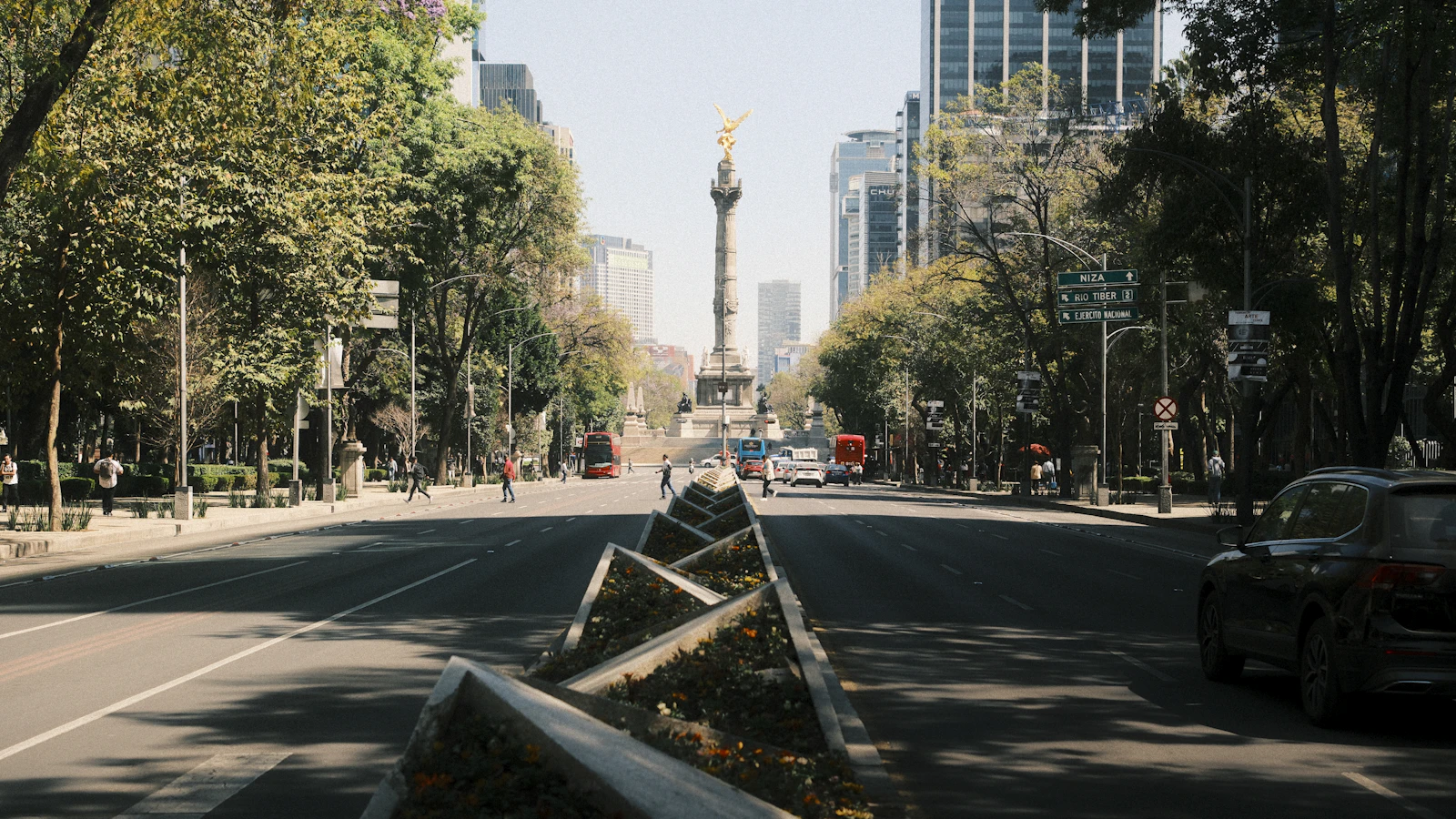
Mexico City is one of the largest cities in the Americas and home to many of Mexico’s leading dental specialists, university dental schools and private hospitals. It’s less of a “dental tourism” destination than Tijuana or Cancún, which can be an advantage: clinics mainly serve local professionals, and you’ll find specialists for complex cases. Pair it with world-class museums and food, and it makes a memorable trip.
Getting there
Fly into Mexico City International Airport (MEX), which has nonstop flights from most major US and Canadian cities. Traffic can be heavy, so choose a hotel near your clinic. Rideshare apps are widely used.
Documents
You’ll need a valid passport to fly to Mexico and back. Mexico records tourist permits (FMM) on arrival by air. Keep any paperwork you’re given until you leave.
Altitude
Mexico City sits at about 7,350 feet (2,240 meters). Some visitors feel tired or short of breath for the first day or two. Mention it to your dentist if you have heart or lung conditions, and drink plenty of water.
Dental care in Mexico City
Private clinics are concentrated in neighborhoods such as Polanco, Roma, Condesa and Santa Fe. The city has major university dental schools, and many specialists hold postgraduate training in Mexico, the US or Europe. It’s a good choice for:
- Complex implant and full-arch cases needing specialists
- Cosmetic work such as veneers
- Patients who want treatment linked to a major private hospital
Prices are generally higher than in border towns, but well below US prices. English is widely spoken at clinics serving international patients, but confirm before booking.
Where to stay
- Polanco: upscale, safe and close to many private clinics and hospitals.
- Roma and Condesa: leafy, walkable neighborhoods full of cafés and restaurants.
- Santa Fe: modern business district on the west side.
Things to do while you recover
- Chapultepec Park and the National Museum of Anthropology: gentle walking and one of the world’s great museums.
- Roma and Condesa: tree-lined streets and countless cafés, with plenty of soups and soft dishes.
- Coyoacán: a historic district with the Frida Kahlo Museum.
- The historic center: the Zócalo, cathedral and Palacio de Bellas Artes.
Safety in Mexico City
The US State Department currently rates Mexico City “Exercise increased caution,” noting that petty crime is common and advising extra care at night outside well-traveled tourist areas. Stick to neighborhoods like Polanco, Roma and Condesa, use rideshare apps, and read the current State Department advisory before you go.
Frequently asked questions
Is Mexico City cheaper than Cancún for dental work?
It varies by clinic. Mexico City offers more specialist choice; prices at top clinics can be similar to resort cities.
How long should I stay?
Five to ten days for most treatments, longer for full-arch work.
When is the best time to go?
October to April is dry and mild. Summer afternoons often bring heavy rain.